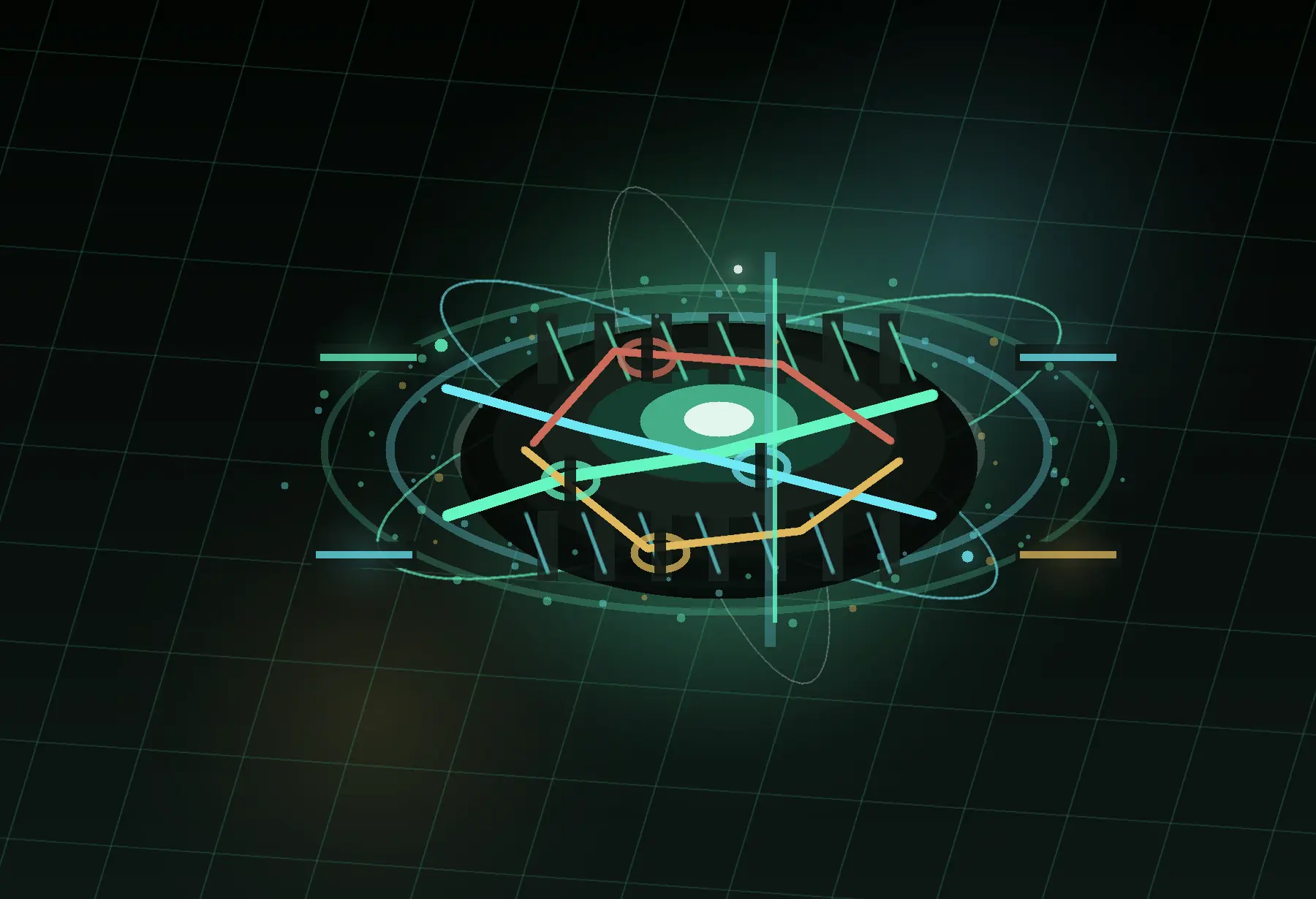
Innotech Operational Core

Make AI useful inside the systems your team already runs.

We map workflows, data boundaries, cloud controls, integrations, and support ownership before building automation your team can trust.

Drag horizontally to rotate the 3D operational core. When focused, use the arrow keys to rotate or tilt it.

An immersive 3D operational core showing AI, data, security, and IT control layers.
Workflow path
Requests, approvals, and handoffs
Data boundary
Sources, permissions, and audit trail
Control owner
Security, recovery, and handover

Choose by pressure

Pick the first project by the problem already costing time.

Pick the first project by the problem already costing time.

Start with the pressure point your team can recognize now. We turn it into a route with a first output, an owner, and the controls needed before build.

Operating review

Before the first model, make the workflow reviewable.

AI only becomes useful when the workflow, data access, cloud controls, security posture, and support owner are visible enough for the team to approve.

Operating layer

The work is not the tool. It is the path between systems, people, and risk.

We turn scattered requests, private data, identity rules, vendor systems, and support ownership into one controlled route. The result is easier to review before build and easier to operate after launch.

Intake path Intake

Requests, files, tickets, and approvals enter one review path.

Data rules Data Boundary

Private knowledge, permissions, and audit trails are defined before automation.

Innotech Core AI + IT operating layer
Control layer Controls

Identity, backup, monitoring, and recovery are built into the rollout.

Ownership Handover

Owners get documentation, training, support lanes, and improvement checkpoints.

Review artifact System map

What connects, what breaks, and who owns each handoff.

Control artifact Access matrix

Roles, data boundaries, recovery owners, and review points.

Delivery artifact First project scope

Build path, budget inputs, risk notes, and measurable success criteria.

Capability stack

AI and IT capabilities under one roof.

AI and IT capabilities under one roof.

Start with the pressure point: automate a repeatable flow, secure the platform, connect tools, or steady IT operations.

Workflow route Map one repeatable flow before automation.

We define inputs, approval gates, data boundaries, and the first measurable output before build.

Pick the pressure you recognize. The preview frames the first scoping path.

Workflow AI workflow automation Preview workflow route Selected route

Automate intake, reporting, knowledge search, document handling, and approvals with human-reviewed AI systems.

  • Process mapping
  • Human approval points
  • Operational reporting
Knowledge Custom AI assistants Preview knowledge route Selected route

Build internal assistants that answer from company knowledge, support teams, and connect securely to business tools.

  • Private company knowledge
  • Role-based access
  • Tool integration
Infrastructure Cloud and infrastructure Preview infrastructure route Selected route

Design, migrate, and manage cloud environments, servers, networking, backups, monitoring, and access controls.

  • Cloud migration
  • Backup and recovery
  • Monitoring setup
Security Cybersecurity readiness Preview security route Selected route

Strengthen identity, endpoint protection, policy, patching, audit trails, and incident response procedures.

  • Identity review
  • Endpoint baseline
  • Incident playbooks
Integration Business software integration Preview integration route Selected route

Connect CRM, ERP, finance, helpdesk, collaboration, and data platforms so information moves cleanly.

  • CRM and ERP sync
  • Helpdesk workflows
  • Data cleanup
Support Managed IT support Preview support route Selected route

Keep systems stable with responsive support, device setup, vendor coordination, and scheduled improvement cycles.

  • User support
  • Device onboarding
  • Vendor coordination

Why teams trust us

Technology decisions handled with delivery discipline.

Review

Start with a technical review

We document current systems, risks, and workflows before recommending tools or automation.

Controls

Build with security controls

Access, data handling, audit trails, and recovery planning are considered from the first design.

Handover

Leave teams with ownership

Each project includes training, handover notes, and a clear support path after launch.

Map Review record

Current systems, user groups, manual steps, risk areas, and known constraints.

Control Control register

Data boundaries, access roles, approval gates, audit trail needs, and recovery owners.

Build Implementation brief

Build sequence, integration points, acceptance checks, and the first measurable output.

Run Operating handover

Owner notes, support lanes, training context, maintenance rhythm, and next improvement queue.

Readiness model

AI only works when the operating controls are ready.

Data

Data boundaries

Confirm what AI can read, what stays private, and where human review is required.

Access

Access and identity

Align permissions, devices, audit trails, and recovery ownership before launch.

Owner

Workflow ownership

Define who approves outputs, maintains prompts, and handles exceptions.

Rollout

Measured rollout

Start with one controlled workflow, then improve based on adoption and risk signals.

Common projects

Concrete work we can deliver first.

AI intake

Document triage and routing assistant

Classify requests, summarize attachments, route work, and keep a review trail for staff.

Output: reviewed routing rules, user workflow, and launch checklist.

Security

Microsoft 365 security hardening

Review identities, MFA, devices, sharing, backup, and policy gaps before an incident.

Output: prioritized control fixes, owner list, and recovery notes.

Operations

CRM and helpdesk workflow cleanup

Connect customer records, tickets, notifications, and reporting so teams stop duplicating updates.

Output: sync map, exception handling rules, and reporting baseline.

Recovery

Cloud backup and recovery plan

Define what must be restored, how fast, by whom, and how recovery is tested.

Output: restore scope, test schedule, and response ownership.

How we work

Start with the operating problem. Ship in controlled phases.

Start with the operating problem. Ship in controlled phases.

Every engagement starts by mapping where work slows down, where data breaks, and where risk is highest. Then we build the smallest useful system, test it with real users, and scale it only after it proves value.

  1. Discover

    Map systems, workflows, and risk.

    We identify bottlenecks, duplicated effort, security gaps, and the data sources that matter.

  2. Design

    Define the right technical path.

    We select the stack, integration pattern, governance model, and success metrics before build.

  3. Deliver

    Implement with clear ownership.

    We build, configure, test, train users, and document the system so teams can rely on it.

  4. Improve

    Operate and optimize continuously.

    We monitor adoption, performance, security posture, and enhancement opportunities.

Outcomes

What better technology should create.

Faster service delivery

Reduce manual handoffs and give teams better tools for repeatable work.

Cleaner decision data

Connect systems so leaders can see trusted information without spreadsheet chasing.

Lower operating risk

Improve access control, recovery, monitoring, documentation, and incident readiness.

Higher team capacity

Let AI handle structured research, drafting, triage, and reporting with review points.

Best fit

Built for growing companies that need a serious technology partner.

Questions

What teams usually ask before starting.

Do we need to know exactly what to build?

No. We can start with a technical and workflow review, then define the first useful project.

Can AI connect to our internal data safely?

Yes, but only with clear access controls, data boundaries, logging, and review points.

Do you only build AI tools?

No. We also handle cloud, security, integrations, support, and the IT groundwork AI depends on.

What happens after the first call?

We confirm goals, review your current systems, then send a scoped recommendation that names the next step, inputs needed, and risks to confirm.

Contact

Tell us what you want your systems to handle next.

Tell us what you want your systems to handle next.

Share your current challenge and we will respond with the right next step: a discovery call, a technical review, or a focused project plan.

Typical next step: 30-minute discovery call.

Response target: within 1 business day.

First reply: recommended route, inputs needed, and risks to confirm.

Email fallback: hello@innotech.com

Send enough context for a useful first reply.

This does not submit to a database. It opens a prefilled email and copies the brief, so you control what gets sent.

Discovery route 30-minute discovery call

Best when you know the pressure point and want a fast read on the right first step.

  • The outcome you want to improve or protect
  • The workflow or system causing friction
  • The tools, data, or teams involved
  • Any deadline, risk, or compliance concern